Vegetarianism
A dietary and ethical choice to abstain from eating meat and fish, motivated by health, environmental, or moral concern for animals. Debate involves nutritional adequacy, environmental impact, food culture, and the ethics of animal use.
Arguments for and against
Health outcomes
Well-planned plant-based diets are associated with lower rates of heart disease, type 2 diabetes, hypertension, and certain cancers. Major dietetic associations worldwide endorse appropriately planned vegetarian diets as nutritionally complete at all life stages.
Poorly planned vegetarian diets risk deficiency in vitamin B12, iron, zinc, omega-3 fatty acids, and complete protein. These risks are higher for children, pregnant women, and the elderly, requiring careful supplementation and dietary planning that not everyone has access to.
Environmental sustainability
Shifting toward plant-based diets would substantially reduce agricultural greenhouse gas emissions, land use, water consumption, and deforestation pressure. At scale, widespread vegetarianism is among the highest-impact individual environmental actions available.
The environmental case for vegetarianism depends on what replaces meat. Monoculture soy and almond production have significant environmental footprints, and grass-fed ruminants on land unsuitable for crops can be part of sustainable local food systems with lower alternatives.
Animal ethics
Modern industrial animal agriculture involves scale and intensity of animal suffering that is morally difficult to justify for dietary preference. Vegetarianism is a practical, available means of withdrawing personal participation from a system of systematic animal harm.
All food production — including plant agriculture — involves animal deaths through habitat destruction, pest control, and incidental killing during harvest. The ethical distinction between vegetarianism and careful omnivorism is smaller than absolutist animal rights arguments suggest.
Cultural and social dimensions
Vegetarian traditions spanning thousands of years in South Asian, Buddhist, and Jain cultures demonstrate that plant-based diets are culturally rich, socially embedded, and culinarily diverse — not merely a dietary restriction but a complete food culture.
For many communities globally, meat is nutritionally essential and culturally central. Promoting vegetarianism as a universal moral imperative can be experienced as cultural imperialism, particularly when directed at communities whose traditional diets are already more sustainable than Western patterns.
What influencers say

"I was a cannibal for twenty-five years. For the rest I have been a vegetarian . It was Shelley who first opened my eyes to the savagery of my diet."
"Why should you call me to account for eating decently? If I battened on the scorched corpses of animals, you might well ask me why I did that. Why should I be filthy and inhuman? Why should I be an accomplice in the wholesale horror and degradation of the slaughter-house?"
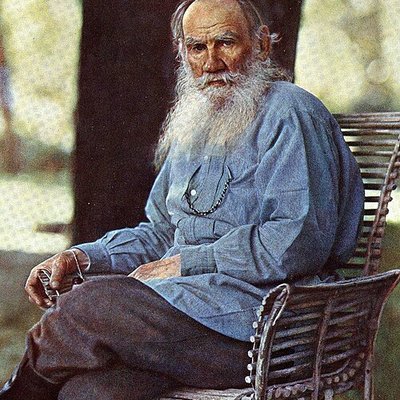
"A man can live and be healthy without killing animals for food; therefore, if he eats meat, he participates in taking animal life merely for the sake of his appetite. And to act so is immoral."
"I had wished to visit a slaughter-house, in order to see with my own eyes the reality of the question raised when vegetarianism is discussed. But at first I felt ashamed to do so, as one is always ashamed of going to look at suffering which one knows is about to take place, but which one cannot avert; and so I kept putting off my visit. But a little while ago I met on the road a butcher ... He is not yet an experienced butcher, and his duty is to stab with a knife. I asked him whether he did not feel sorry for the animals that he killed. He gave me the usual answer: 'Why should I feel sorry? It is necessary.' But when I told him that eating flesh is not necessary, but is only a luxury, he agreed; and then he admitted that he was sorry for the animals."
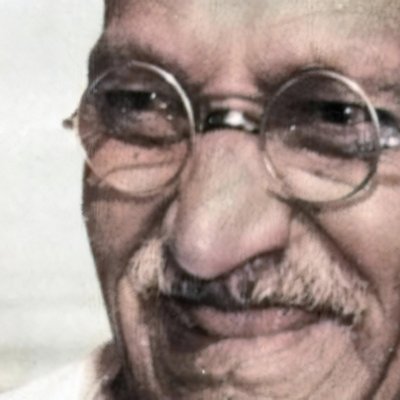
"Vegetarians should have that moral basis—that a man was not born a carnivorous animal, but born to live on the fruits and herbs that the earth grows."
"Hitler killed five million [sic] Jews. It is the greatest crime of our time. But the Jews should have offered themselves to the butcher’s knife. They should have thrown themselves into the sea from cliffs.....It would have aroused the world and the people of Germany.... As it is they succumbed anyway in their millions."

"To protest about bullfighting in Spain, the eating of dogs in South Korea, or the slaughter of baby seals in Canada while continuing to eat eggs from hens who have spent their lives crammed into cages, or veal from calves who have been deprived of their mothers, their proper diet, and the freedom to lie down with their legs extended, is like denouncing apartheid in South Africa while asking your neighbors not to sell their houses to blacks."
"Those who claim to care about the wellbeing of human beings and the preservation of our environment should become vegetarians for that reason alone. They would thereby increase the amount of grain available to feed people elsewhere, reduce pollution, save water and energy, and cease contributing to the clearing of forests; moreover, since a vegetarian diet is cheaper than one based on meat dishes, they would have more money available to devote to famine relief, population control, or whatever social or political cause they thought most urgent. … when nonvegetarians say that “human problems come first” I cannot help wondering what exactly it is that they are doing for human beings that compels them to continue to support the wasteful, ruthless exploitation of farm animals."