Social Media
Internet-based platforms enabling users to create, share, and interact with content and communities at scale. Debate concerns mental health effects, misinformation, democratic discourse, and the concentration of communicative power.
Arguments for and against
Mental health effects
Social media provides connection, community, and social support — particularly valuable for isolated individuals, people with disabilities, and minority communities who may lack local social networks aligned with their identities.
Research links heavy social media use — particularly among adolescents — to increased anxiety, depression, social comparison, and sleep disruption. Algorithmically curated feeds optimized for engagement systematically surface distressing content.
Misinformation and public discourse
Social media has democratized information production, enabling citizen journalists, whistleblowers, and marginalized voices to challenge powerful institutions and reach audiences without gatekeepers. This has expanded the scope of public knowledge.
Engagement-driven algorithms favor emotionally activating, often inaccurate content. The viral spread of health misinformation, electoral disinformation, and conspiracy theories causes demonstrable real-world harm at a scale legacy media never enabled.
Political polarization
Social media exposes users to a broader range of political perspectives than geographically concentrated offline social networks. Cross-cutting exposure, even if incidental, can reduce extreme partisan sorting.
Filter bubbles, algorithmic amplification of outrage, and network homophily combine to harden ideological divisions. Research shows political social media use correlates with stronger affective polarization and reduced willingness to engage with opposing views.
Market concentration and platform power
Dominant platforms have invested heavily in safety, content moderation, and fraud prevention at a scale no smaller competitor could match. Network effects that concentrate users produce genuinely valuable shared infrastructure for communication.
A handful of corporations now control the primary public squares of democratic discourse, wielding extraordinary power over what speech is amplified, suppressed, or monetized. This concentration is structurally incompatible with the plurality healthy democracies require.
What influencers say
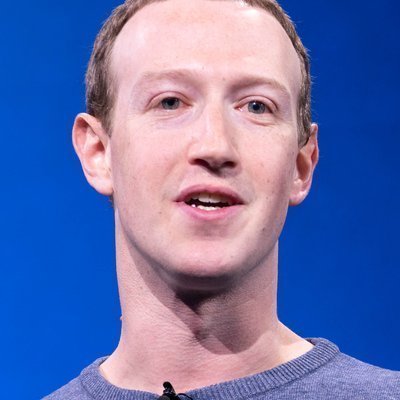
"By giving people the power to share, we are starting to see people make their voices heard on a different scale from what has historically been possible."