Universal Health Care
A health system that ensures all citizens receive medical services regardless of their ability to pay, typically through government funding or mandate. Debate concerns financing, quality, efficiency, and individual choice.
Arguments for and against
Access and health equity
Universal coverage eliminates the link between income and access to care, reducing the vast health inequalities that market systems produce. Countries with universal systems consistently achieve better health outcomes per capita than the U.S. with its private system.
Universal coverage guarantees access to the system but not timely access to needed care. Long wait times for specialist appointments and elective procedures in single-payer systems can produce real health harm, particularly for time-sensitive conditions.
Cost and fiscal sustainability
Single-payer and regulated multi-payer systems achieve greater administrative efficiency and purchasing power than fragmented private markets. Most countries with universal coverage spend significantly less per capita than the United States while achieving superior outcomes.
Universal health systems face structural fiscal pressure from aging populations, expensive new treatments, and rising demand. Funding universal care through taxation requires difficult political choices about benefit scope, co-payments, and healthcare rationing.
Quality and innovation
Publicly funded universal systems can invest strategically in preventive care, primary care infrastructure, and population health management, which produce long-run quality and cost advantages over reactive, fee-for-service private models.
The United States, despite its costly system, leads the world in pharmaceutical and medical device innovation. Price controls and negotiated rates in universal systems may reduce the financial incentives that drive breakthrough research and development.
Individual choice and freedom
Universal coverage eliminates the anxiety of coverage gaps, pre-existing condition exclusions, and medical bankruptcy that afflict citizens in private systems. Freedom from healthcare-related financial terror is itself a profound expansion of practical liberty.
State-run health systems limit consumer choice of provider, treatment options, and coverage level. Individuals who wish to obtain care outside the public system or at a higher standard may face barriers, reducing the healthcare market's responsiveness to diverse preferences.
What influencers say
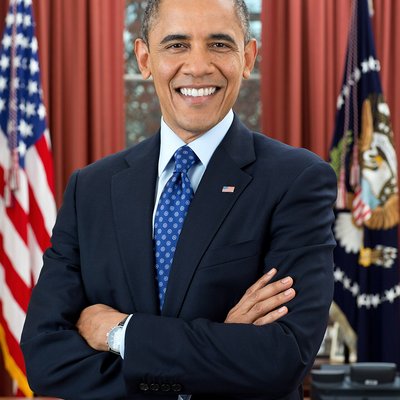
"In the United States of America, health care is not a privilege for the fortunate few -- it is a right."
"For the average person, many folks who don't have health insurance initially, they're going to have to make some choices. And they might end up having to switch doctors, in part because they're saving money."