Superpower
A nation with dominant global influence exerted through military, economic, and cultural power. Debate concerns the legitimacy of unipolar dominance, the benefits of great power competition, and the prospects for a multipolar world order.
Arguments for and against
Global stability
A dominant superpower enforcing international norms can provide stability by deterring conflict between smaller states, guaranteeing global commons like maritime trade routes, and underwriting international institutions that smaller powers cannot sustain alone.
Superpower hegemony exports the foreign policy priorities and political values of a single state, suppressing genuine self-determination. Perceived imperial overreach generates resentment and resistance that can be more destabilizing than the multipolar alternatives.
Economic leadership
The superpower's role in establishing reserve currencies, trade frameworks, and international financial institutions has facilitated unprecedented global growth. The liberal economic order built around a dominant power has lifted hundreds of millions from poverty.
The economic benefits of superpower-led globalization have been unevenly distributed, generating extreme inequality within nations. The superpower's structuring role serves its own corporations and financial interests as much as it serves global welfare.
Military dominance and its consequences
Military dominance allows the superpower to intervene in humanitarian crises, deter nuclear proliferation, and provide security guarantees that allow allies to maintain smaller defense budgets, redirecting resources to domestic priorities.
Military dominance creates an addiction to force as a foreign policy instrument. Interventions justified by humanitarian rhetoric frequently serve strategic interests, produce nation-building failures, and generate blowback that destabilizes regions for decades.
Multipolarity as an alternative
The emergence of China, the EU, India, and regional powers creates a more representative distribution of global influence. Multipolarity can produce more legitimate and broadly accepted international rules than those imposed by a single dominant state.
Historical multipolar orders — nineteenth-century Europe — have been associated with more frequent great-power conflicts. Without a dominant stabilizer, coordination failures and miscalculations between competing powers become significantly more likely.
What influencers say
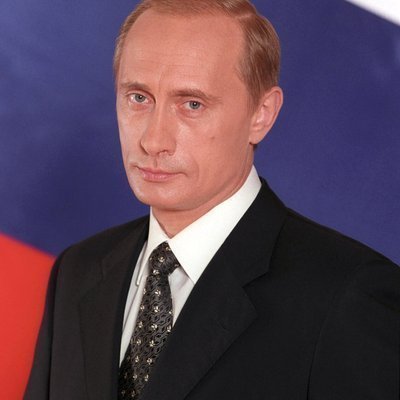
"Russia is in favour of a multipolar world, a democratic world order, strengthening the system of international law, and for developing a legal system in which any small country, even a very small country, can feel itself secure, as if behind a stone wall."