Right to Privacy
The right of individuals to control information about themselves and be free from unwarranted surveillance or intrusion. Debate centers on the balance between privacy and legitimate state and commercial interests in security and data use.
Arguments for and against
Surveillance and national security
Mass digital surveillance by intelligence agencies far exceeds what is proportionate to genuine security threats. Bulk collection of communications data chills free speech, free association, and political dissent — harms that extend well beyond targeted suspects.
Signals intelligence has demonstrably disrupted terrorist plots and organized crime networks. Targeted, judicially overseen surveillance of genuine threats represents a proportionate trade-off between privacy and physical security for the general population.
Commercial data collection
Consumers who share data with commercial platforms receive genuinely valuable services — personalized search, navigation, social connection — in exchange. Transparent data practices with meaningful consent can make this exchange fair.
Meaningful consent to commercial data collection is largely a fiction: privacy policies are unreadable, defaults favor maximum collection, and the full scope of data use — profiling, sale to third parties, emotional manipulation — is never genuinely disclosed.
Privacy as a foundation for other freedoms
Privacy enables autonomy across all domains of life. People who know they are being watched self-censor, conform, and disengage from legitimate dissent. Protecting privacy is therefore a precondition for political freedom, not merely a personal preference.
Privacy claims can be invoked to shield misconduct, obstruct investigations, and protect powerful institutions from accountability. Absolute privacy protections can conflict with press freedom, whistleblowing, and the public's legitimate interest in transparency.
Data rights and regulatory frameworks
Comprehensive data protection regimes like the GDPR demonstrate that robust privacy rights can coexist with a functioning digital economy. Rights to access, correct, and delete personal data give individuals meaningful control over their digital identities.
Heavy data regulation creates compliance burdens that favor large incumbents able to absorb costs and disadvantage startups, researchers, and non-profit organizations. Overly rigid frameworks can impede beneficial uses of data including public health surveillance.
What influencers say

"There is nothing to take a man's freedom away from him, save other men. To be free, a man must be free of his brothers."
"The only proper, moral purpose of a government is to protect man's rights, which means: to protect him from physical violence—to protect his right to his own life, to his own liberty, to his own property and to the pursuit of his own happiness. Without property rights, no other rights are possible."
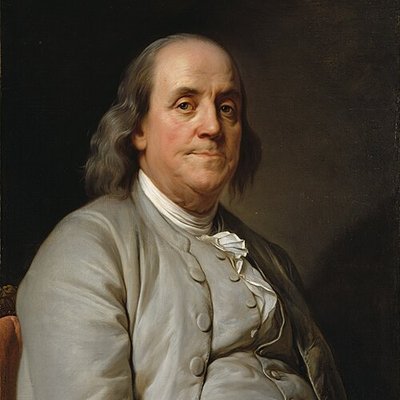
"If you would keep your Secret from an enemy, tell it not to a friend. Up, Sluggard, and waste not life; in the grave will be sleeping enough."
"Those who would give up essential Liberty , to purchase a little temporary Safety , deserve neither Liberty nor Safety."
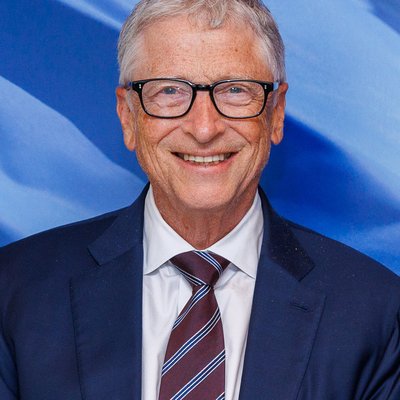
"Historically, privacy was almost implicit, because it was hard to find and gather information. But in the digital world, whether it’s digital cameras or satellites or just what you click on, we need to have more explicit rules—not just for governments but for private companies."
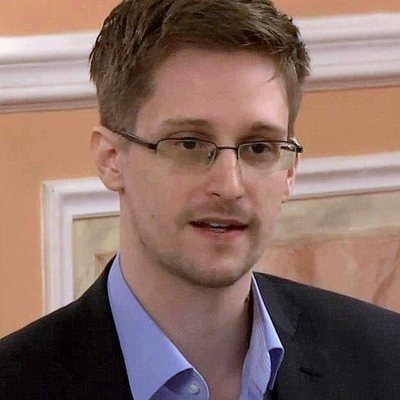
"Arguing that you don't care about the right to privacy because you have nothing to hide is no different than saying you don't care about free speech because you have nothing to say."
"The types of collection in the book -– microphones and video cameras, TVs that watch us –- are nothing compared to what we have available today. We have sensors in our pockets that track us everywhere we go. Think about what this means for the privacy of the average person."
"A child born today will grow up with no conception of privacy at all. They’ll never know what it means to have a private moment to themselves an unrecorded, unanalyzed thought. And that’s a problem because privacy matters; privacy is what allows us to determine who we are and who we want to be."
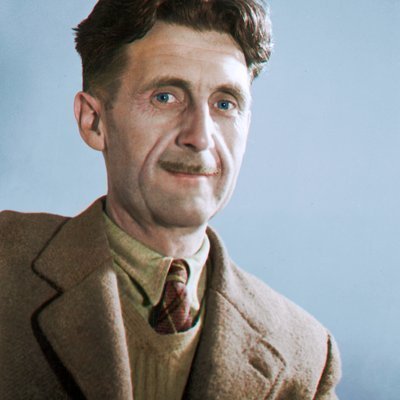
"The greatest mistake is to imagine that the human being is an autonomous individual. The secret freedom which you can supposedly enjoy under a despotic government is nonsense, because your thoughts are never entirely your own. Philosophers , writers , artists , even scientists , not only need encouragement and an audience, they need constant stimulation from other people. It is almost impossible to think without talking. ... Take away freedom of speech, and the creative faculties dry up."
"Since pacifists have more freedom of action in countries where traces of democracy survive, pacifism can act more effectively against democracy than for it. Objectively the pacifist is pro-Nazi."
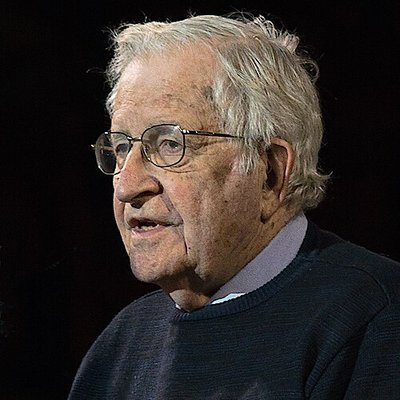
"[...] one must be cautious in assessing the political significance of the relative freedom from repression — at least for the privileged — in the United States. Exactly what does it mean, concretely?"
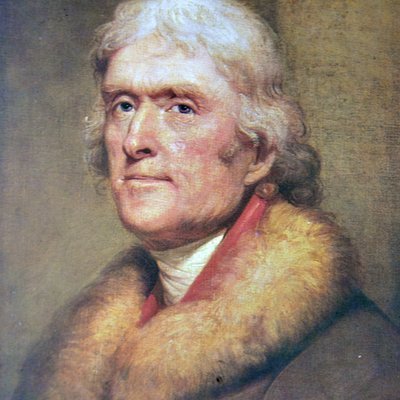
"Our liberty depends on the freedom of the press, and that cannot be limited without being lost."
"The God who gave us life, gave us liberty at the same time; the hand of force may destroy, but cannot disjoin them."