Mass Media
Communication channels that reach large audiences simultaneously, including television, radio, newspapers, and online platforms. Mass media shapes public opinion, culture, and political discourse at scale.
Arguments for and against
Role in democratic accountability
Investigative journalism and broad-reach reporting expose corruption, hold officials and institutions accountable, and inform citizens about matters of public concern, performing functions that are essential to democratic self-governance.
Commercial pressures push mass media toward entertainment, conflict, and celebrity over substantive policy coverage, producing an informed-seeming public that actually knows more about scandals than legislative processes.
Influence on public opinion and political polarization
A shared media environment with common facts and shared cultural references can build the common ground across social groups that democratic deliberation requires, countering the fragmentation of purely personal media.
Media concentration, partisan cable news, and algorithmic amplification of outrage have deepened political polarization, creating separate epistemic communities with incompatible factual premises that make compromise increasingly difficult.
Representation of marginalized communities
When operated with editorial standards attentive to diversity, mass media can normalize the visibility of underrepresented groups, challenge stereotypes, and shift cultural attitudes at scale in ways smaller media cannot.
Legacy mass media has historically perpetuated stereotypes, marginalized voices, and produced content primarily reflecting the perspectives of dominant demographic groups, requiring regulatory and market pressure to improve.
Media consolidation and editorial independence
Large media organizations have resources for deep investigative work, international bureaus, and legal defense of press freedom that smaller independent outlets struggle to sustain on fragmented advertising revenue.
Consolidation of media ownership into a small number of corporate conglomerates creates conflicts of interest between editorial independence and the business and political interests of parent companies and advertisers.
What influencers say
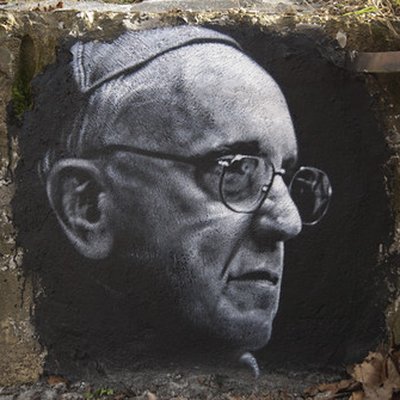
"The media only writes about the sinners and the scandals, he said, but that's normal, because 'a tree that falls makes more noise than a forest that grows."