Big Business
Big business refers to large corporations and conglomerates that wield significant economic and political power, often operating across multiple industries and national borders. The debate concerns the balance between their productive efficiency and their social and political influence.
Arguments for and against
Its effect on economic efficiency and innovation
Large corporations achieve economies of scale that reduce costs, can fund research programs too expensive for smaller firms, and have the organizational capacity to bring complex products and services to global markets rapidly.
Market concentration allows large firms to suppress competition, extract rents, and reduce the incentive to innovate — the dynamism attributed to big business often originates in smaller competitors that large firms subsequently acquire or undercut.
Its political influence on democratic governance
Large corporations employ millions of workers and generate tax revenue that funds public services; their economic importance gives them a legitimate stake in policy debates that affect investment, employment, and trade.
Corporate lobbying and campaign finance skew policy outcomes toward the interests of shareholders over those of workers, consumers, and the environment, undermining the equal political voice that democratic legitimacy requires.
Its impact on workers and labor markets
Large employers typically offer higher wages, more stable employment, and superior benefit packages compared to small businesses; they also have greater capacity to invest in worker training and occupational safety.
Dominant employers in local labor markets can depress wages by reducing workers' bargaining power; monopsony conditions in many regions mean that employees have no effective alternative but to accept terms set by a single large firm.
Its relationship to environmental and social responsibility
Large corporations have the scale and public visibility to drive significant sustainability improvements across global supply chains, and investor and consumer pressure increasingly holds them accountable for environmental outcomes.
The pressure to generate quarterly returns for shareholders systematically discourages big business from absorbing the costs of environmental responsibility; without regulation, voluntary commitments are routinely subordinated to profit.
What influencers say
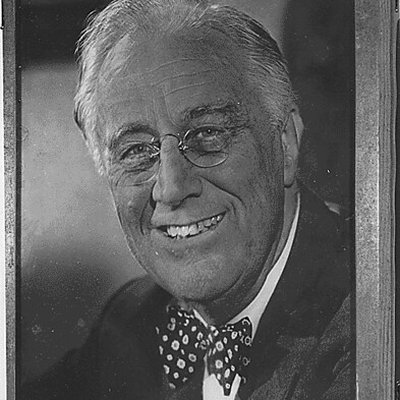
"The liberty of a democracy is not safe if the people tolerate the growth of private power to a point where it becomes stronger than their democratic State itself."